Explore by category
Over 13,000 km of coastline, 6,000 islands, and waters ranging from turquoise lagoons to volcanic black shores — the ultimate Mediterranean beach destination where ancient culture meets endless coast.
Greece is not just a country with beaches — it is a country defined by them. With over 13,000 kilometers of coastline, more than 6,000 islands, and waters that shift from electric turquoise to deep sapphire, this is the Mediterranean at its most dramatic and diverse. Every beach here tells a different story: pink-sand lagoons in Crete, volcanic black shores in Santorini, white moonscape rock in Milos, and pine-fringed pebble coves along the Euboean Gulf that most tourists never hear about. What makes Greece extraordinary as a beach destination is the sheer range of experiences packed into a relatively small geography. You can be on a party beach in Mykonos one day and on a completely deserted stretch of Peloponnese coast the next. The Ionian side is lush, green, and Caribbean-like. The Aegean is windswept, rugged, and endlessly photogenic. The mainland coast offers everything the islands do, often without the crowds or the ferry ticket. But Greece's coastline is not just about swimming. It is about pulling up to a seaside taverna after a morning in the water and eating grilled octopus that was caught that morning. It is about discovering that the tiny chapel perched on the cliff above your beach dates back to the 12th century. It is about the way the light hits the water at 6pm in September, when the summer crowds have thinned and the sea is still warm. The culture, the food, the history, and the landscape are inseparable from the beach experience here.
Red Beach (rock) - ★ 0.0 Limnionas Beach (pebble) - ★ 0.0 Voidokilia Beach (sand) - ★ 0.0 Navagio Beach (Shipwreck) (sand) - ★ 0.0 Porto Katsiki (pebble) - ★ 0.0
June to September is prime beach season (28-35°C air, 24-27°C water by August). May and October are shoulder months with warm weather, swimmable seas, and fewer crowds. September is the best-kept-secret month — warm seas (23-25°C), thinning crowds, lower prices, and golden light perfect for photography.
Major international airports at Athens (ATH), Thessaloniki (SKG), Heraklion (HER), Rhodes (RHO), Corfu (CFU), and Zakynthos (ZTH). Athens is the main gateway with year-round flights from across Europe, North America, and beyond. From Athens, domestic flights reach most islands in 30-50 minutes. Piraeus port (connected by Metro Line 1) is the main ferry hub. Rafina port serves Evia and select Cycladic islands.
September is considered the best month by Greeks themselves — warm seas, thinning crowds, lower prices, and golden light. Island ferries book up fast in July-August — reserve at least two weeks ahead on ferryhopper.com. Do not underestimate the meltemi wind in the Aegean (July-August). It can make north-facing beaches unusable while south-facing ones remain calm. The best seafood tavernas are where Greek families eat on Sunday. If the menu is only in Greek and packed with locals at 2pm, you found the right place. Many spectacular beaches have no facilities — always carry water, sunscreen, a hat, and sturdy shoes.
What to see in Greece
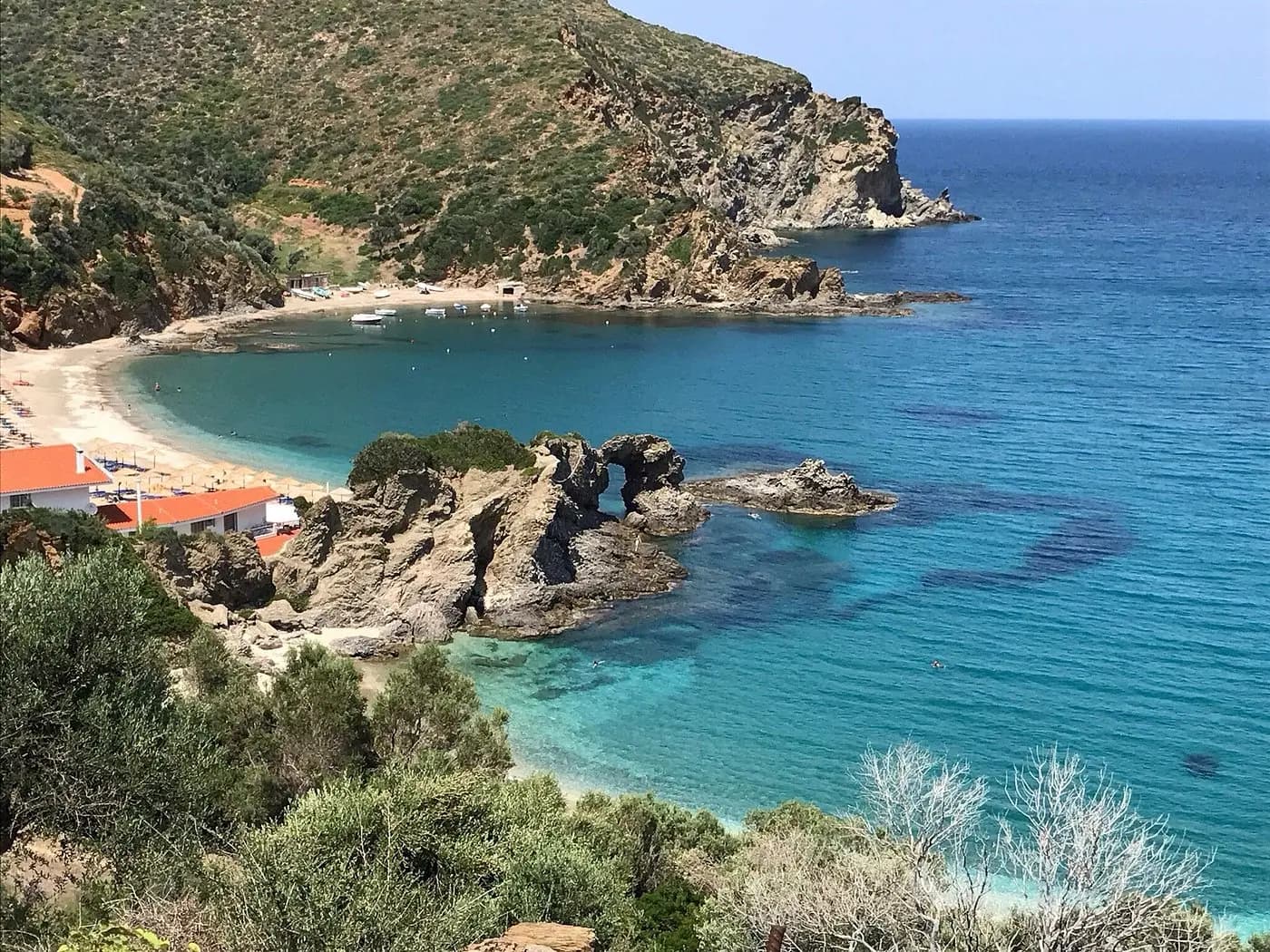
Region
Central Greece
22 beaches
From the oracle at Delphi to the calm beaches of the Euboean Gulf, Central Greece offers mainland coastline, island access via the Evia bridge, and a pace of life the tourist trail forgot.
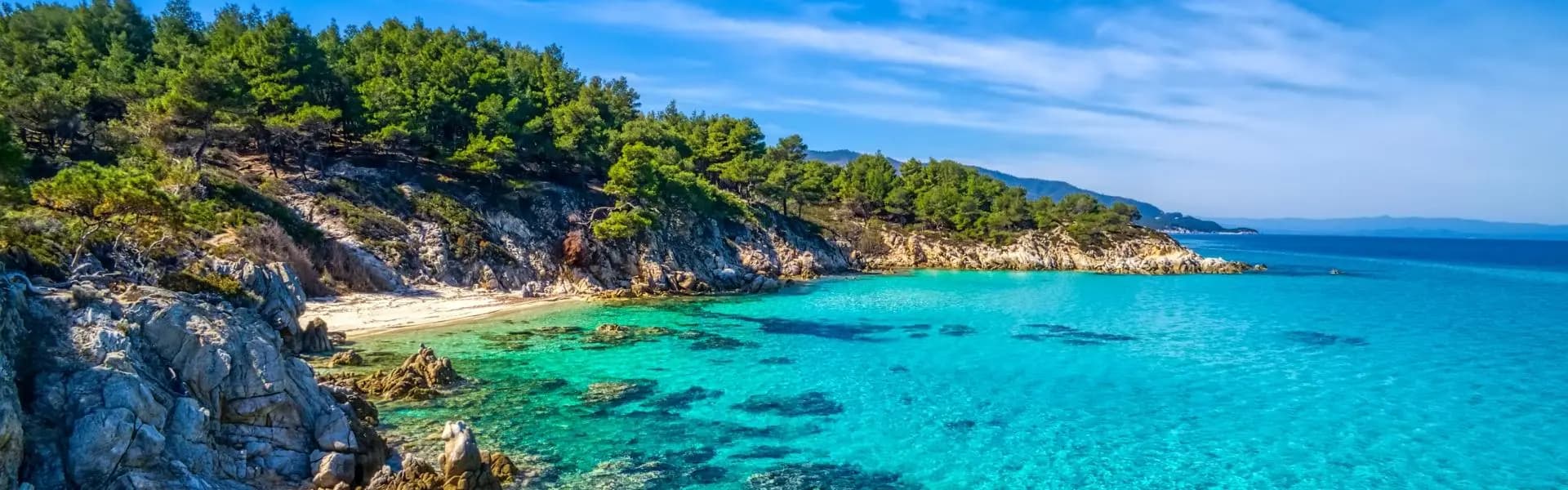
Region
Chalkidiki
2 beaches
Three pine-forested peninsulas with 52 Blue Flag beaches, hidden turquoise coves, and island-quality water — all within driving distance of Thessaloniki.
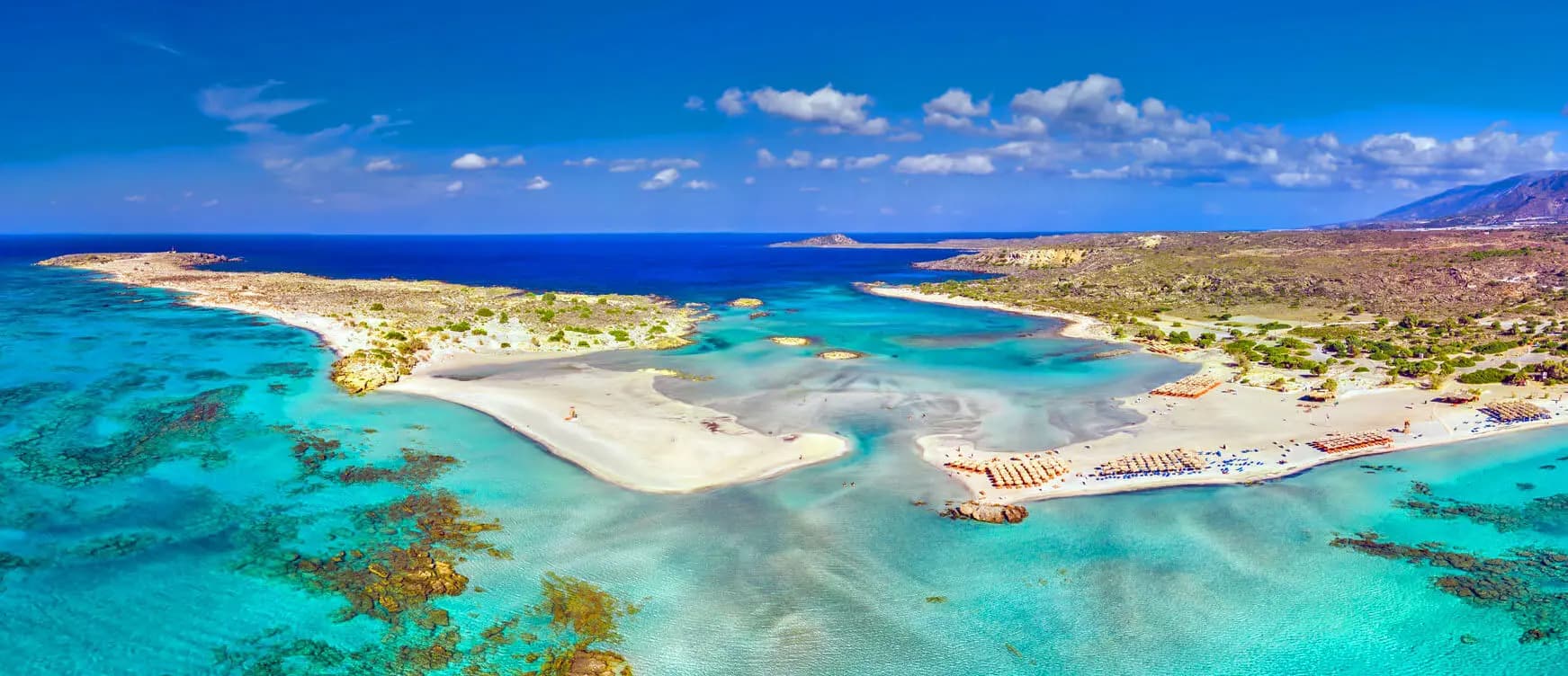
Region
Crete
2 beaches
Greece's largest island, with over 1,000 km of coastline from pink-sand lagoons to palm-fringed coves, anchored by 4,000 years of Minoan history and the most celebrated cuisine in Greece.
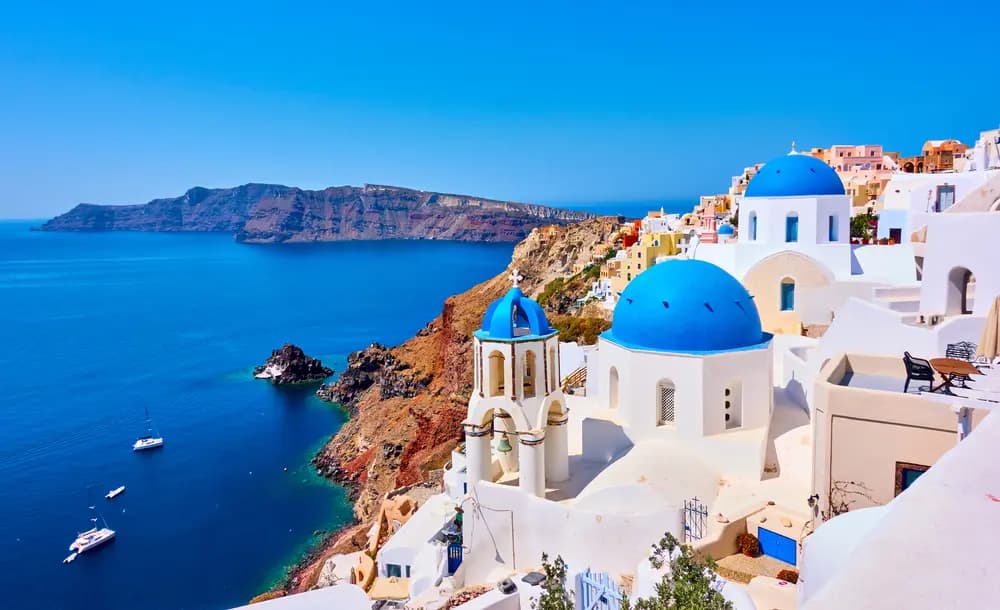
Region
Cyclades
2 beaches
The iconic Greek island experience — whitewashed villages, blue domes, volcanic beaches in every color, and some of the clearest water in the Mediterranean, spread across 30 islands.
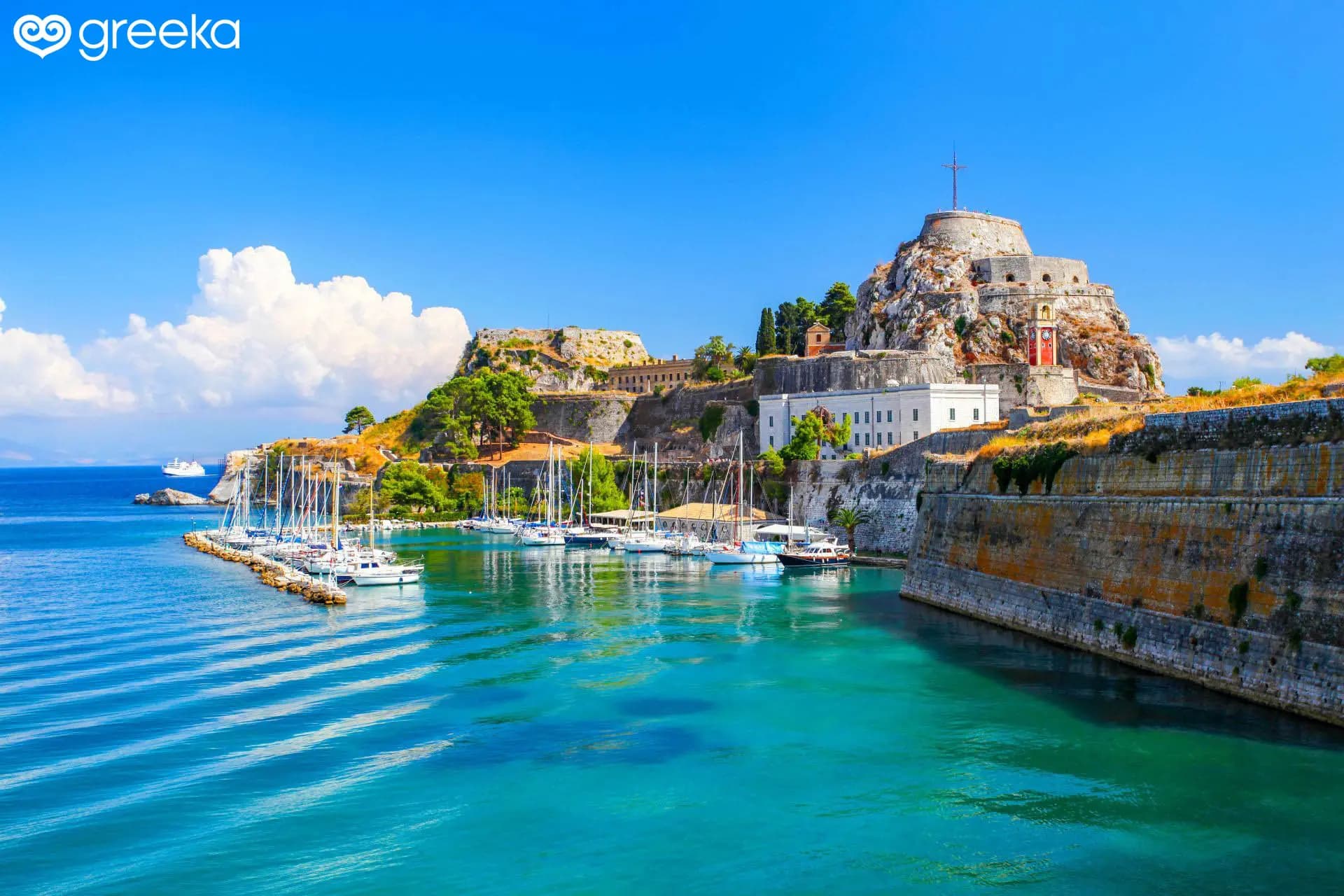
Region
Ionian Islands
2 beaches
The greenest Greek islands, where Venetian architecture meets Caribbean-blue waters, dramatic white cliffs, and beaches consistently ranked among Europe's finest.
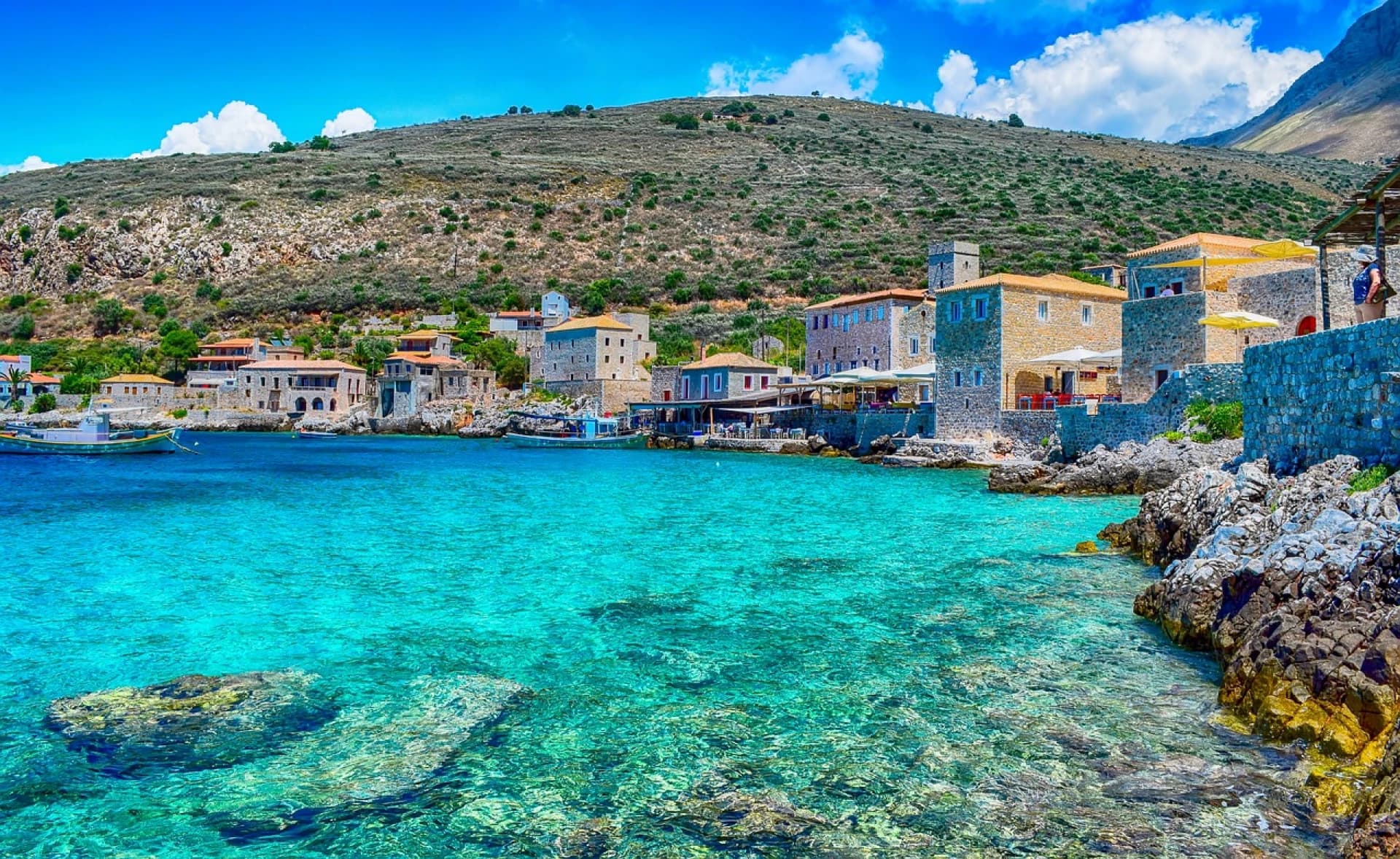
Region
Peloponnese
1 beaches
Greece's greatest open-air museum meets its most underrated coastline — from Voidokilia's omega perfection to the wild Mani, all wrapped in 4,000 years of myth and history.
Beaches in Greece
View allRed Beach
Akrotiri, Santorini, Cyclades
Limnionas Beach
Limnionas, Evia
Voidokilia Beach
Pylos, Messinia, Peloponnese
Navagio Beach (Shipwreck)
Anafonitria, Zakynthos, Ionian Islands
Porto Katsiki
Lefkada, Ionian Islands
Kohili Beach
Limni, Evia
Climate in Greece
Average temperatures and conditions throughout the year
Spring
Mar - May
Summer
Jun - Aug
Autumn
Sep - Nov
Winter
Dec - Feb